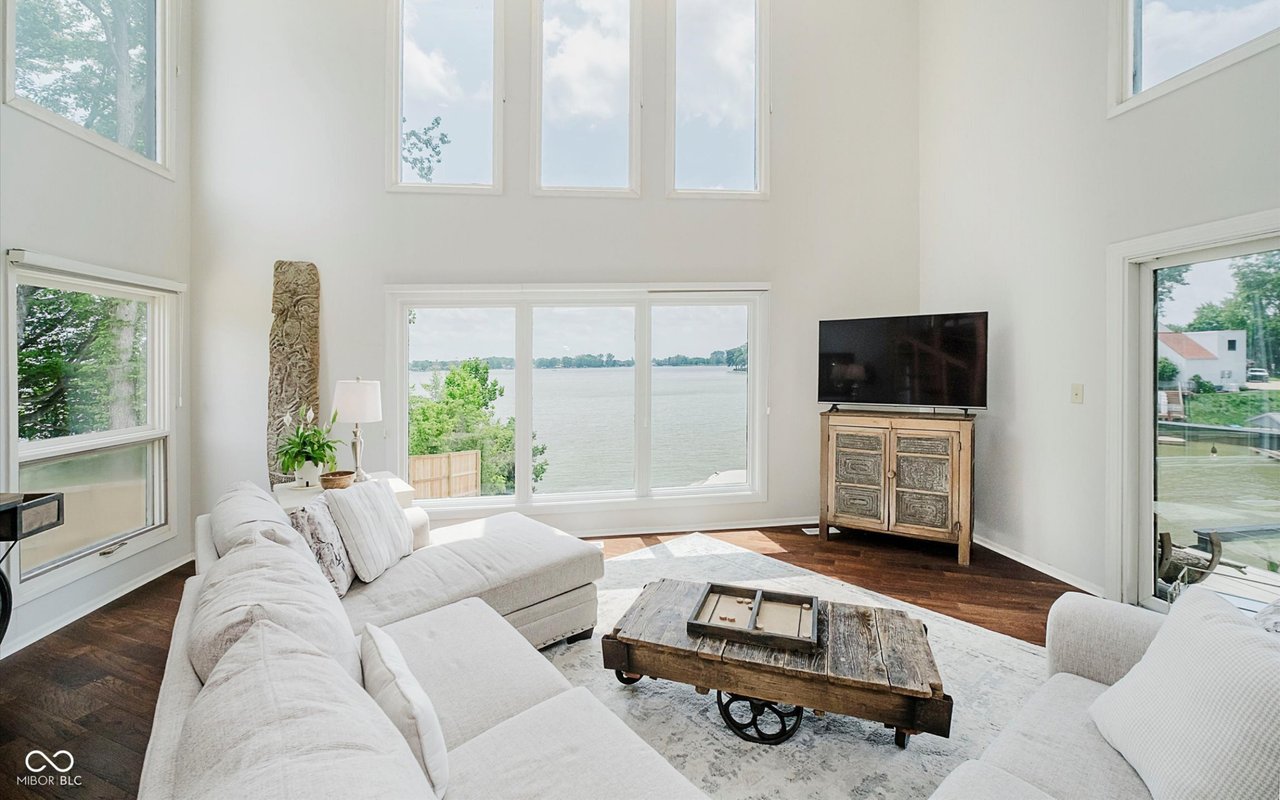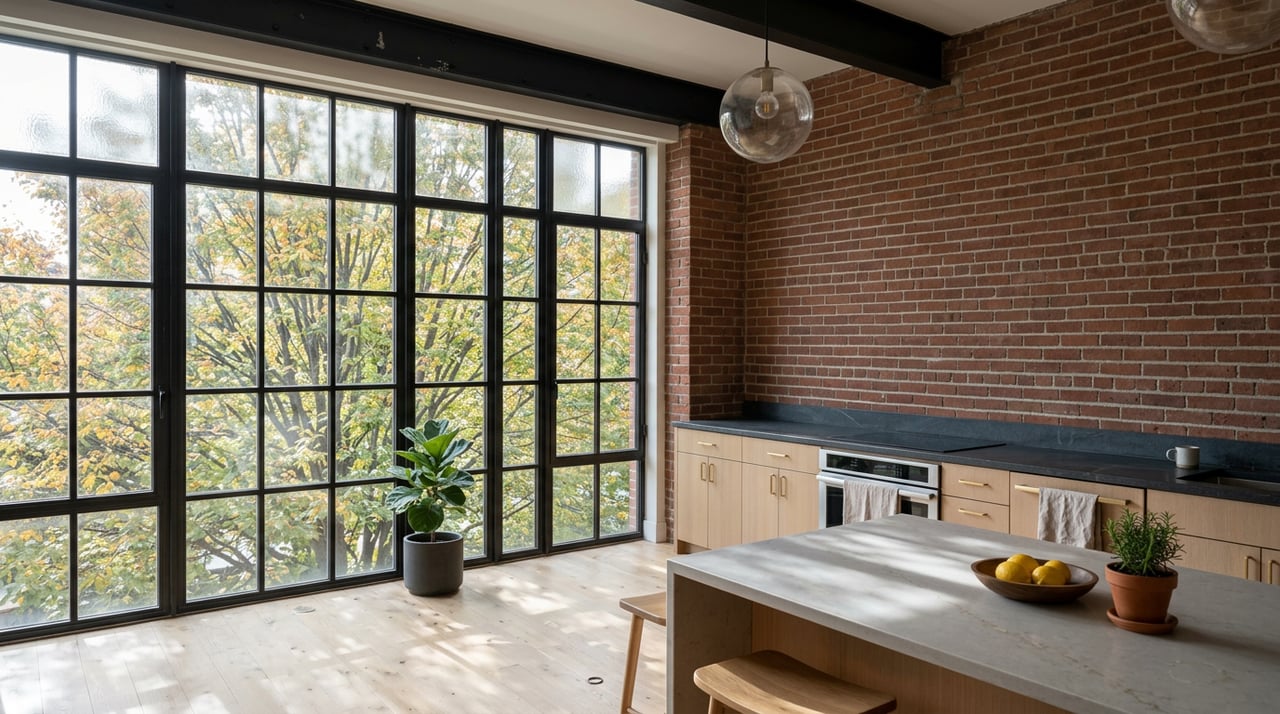
Picture two one-bedroom lofts downtown, both close to 900 square feet, both with exposed brick and tall industrial windows, both listed within a few thousand dollars of each other. One closes in three weeks to a buyer who put down 5 percent and used a standard conventional loan. The other sits on the market for months, gets a handful of showings, and finally closes to a cash buyer or someone who accepted a portfolio loan with 20 percent down and a higher rate. Nothing about the units themselves explains the gap. The explanation lives in a document almost no buyer asks for until their lender asks first.
That document is the condo questionnaire, and what it reveals is whether a building is warrantable. This single classification, more than square footage, finish level, or even location, decides how many buyers can actually finance a given unit downtown, and it is the real reason two condos with identical floor plans can behave like two different markets.
The Line Buyers Don't See in the Listing Photos
A warrantable condo meets the underwriting standards that Fannie Mae, Freddie Mac, and the FHA use to decide whether they will back a loan on a unit in that building. A non-warrantable one does not, and the reasons are almost always structural rather than cosmetic. Lenders typically look for:
- According to Madison Mortgage Guys, more than half the units must be occupied by owners rather than renters
- According to Homebuyer.com, no single entity may own more than roughly 20 to 25 percent of the units in larger projects
- No more than 15 percent of owners more than 30 days behind on association dues
F&H Mortgage says non-warrantable condos require portfolio loans with larger down payments and higher rates. That shrinks the buyer pool to people with more cash on hand, which stretches days on market and can soften the price a seller can actually get for an otherwise comparable unit.
This is not a hypothetical downtown. Indianapolis has a real mix of century-old industrial buildings converted into condos, places like Real Silk Lofts, the Athletic Club's IAC Lofts, and Mill No. 9 near Mass Ave, sitting alongside newer construction closer to the Mass Ave corridor. Conversions carved out of older buildings are, in general, more likely than ground-up new construction to carry higher rental concentrations or older reserve funding structures, the kind of factors that can trip warrantability standards. A buyer comparing two listings by price per square foot alone has no way to see this from the MLS photos.
Why the New-Construction Shelf Downtown Stays Thin
Part of what makes this split matter more in Indianapolis right now is that the newer, easier-to-finance side of the ledger has not grown the way it might have. Bottleworks District, the redevelopment of the old Coca-Cola bottling plant on Mass Ave, originally planned a second phase built out with apartments, condos, and ground-floor retail. Instead, developer Hendricks Commercial Properties shifted that phase almost entirely to office space, a change vice president Lance Evinger attributed partly to pandemic-era cost and staffing pressure.
Lance Evinger told Indianapolis Monthly, "Covid made everything crazy."
That single pivot meant roughly 240 planned residences never reached the market, according to the report on the district's second phase.
A few blocks away, the same pattern shows up in a different form. TWG Development's plan to restore the ornate 1910 Old City Hall and pair it with a new tower of apartments, a hotel, condos, and retail had largely stalled in the pre-construction phase as of this past March, even after the city approved a financing package of up to $66 million in bonds to help absorb rising costs, according to Hoodline's reporting. At that point the block remained fenced off.
Meanwhile, the residential growth that is happening downtown is mostly landing on the rental side rather than adding to the for-sale condo pool. A South Bend-based developer's plan to convert the 12-story former Angi Inc. headquarters on East Washington Street into a 180-unit apartment building, reported by the Indianapolis Business Journal, adds housing stock downtown without adding a single new condo a buyer could purchase and finance conventionally.
The net effect is that buyers shopping for a for-sale condo downtown are disproportionately shopping among older converted buildings, which is exactly the inventory most likely to carry the ownership concentration, rental ratios, or reserve fund quirks that trip warrantability.
What the Numbers Actually Hide
The citywide condo median in Indianapolis was $204,900 as of July 2026, with listings spanning from $24,900 to $4.3 million and an average of 49 days on market. Those numbers blend everything from suburban FHA-approved communities to downtown lofts, so the citywide average tells a buyer almost nothing about what to expect in a specific building. The only way to know is to ask.
| Warrantable Building | Non-Warrantable Building | |
|---|---|---|
| Financing available | Conventional | Portfolio loans |
| Typical down payment | As low as 3 to 5 percent | Often 20 percent or more |
| Buyer pool | Broad | Narrow, cash-heavy |
| Typical time to sell | Closer to market average | Often stretched, sometimes discounted |
| Common cause | Majority owner-occupied, healthy reserves | High rental concentration or delinquencies |
The Paperwork That Actually Decides How Fast This Moves
Indiana law gives buyers a real tool here, but only if they know to use it early. Under Indiana Code § 32-21-5-8.5, a seller in an HOA-governed property must provide the association's governing documents to the buyer no later than 10 days before closing. Waiting until 10 days before closing to discover a building's owner-occupancy ratio or delinquency rate is far too late to change financing, so a buyer working with an agent who requests the condo questionnaire during the showing process, not after an accepted offer, is the one who avoids a last-minute scramble for a portfolio lender.
Indiana's Condominium Act also requires condo associations to establish and maintain a replacement reserve fund for capital repairs, though the state stops short of requiring a formal reserve study the way some other states do. That means two associations can both claim to be funding reserves while one has a defensible number backed by an engineer's assessment and the other has a figure the board picked without much analysis. Asking to see the association's most recent budget and any reserve study, if one exists, is a reasonable question to ask before writing an offer, not after.
Separately, Nolo explains that Indiana's general seller disclosure law requires the standard disclosure form to reach the buyer before an offer is accepted, and that any material change in the property's condition between disclosure and closing must be updated or certified as unchanged. None of this replaces professional advice on financing or legal matters, but knowing the sequence, condo questionnaire and HOA documents early, disclosure form before offer, HOA documents again before closing, gives a buyer room to react instead of finding out at underwriting.
A Few Questions Worth Asking Before You Tour
Can I use an FHA loan on a downtown Indianapolis loft? It depends entirely on that specific building's approval status, not on the unit or your qualifications. HUD maintains a searchable list of FHA-approved condo projects, and a lender can also confirm status directly.
How do I find out if a building is non-warrantable before I fall in love with a unit? Ask your agent to request the condo questionnaire from the association as soon as you tour a building you are seriously considering, not after you have an accepted offer. It is a normal, routine request that any responsive association should be able to fill quickly.
Does any of this apply to single-family homes? No. Warrantability is a condo-specific and HOA-specific concept tied to how a building's ownership and finances are structured. A single-family home's financing depends on the buyer and the property itself, not on other owners in a shared building.
If you are weighing a historic loft against something newer downtown, or trying to figure out why one listing seems to be moving faster than another that looks nearly identical on paper, that is exactly the kind of question worth working through with someone who tracks these buildings closely rather than guessing from a listing sheet. Ann Williams Erickson has spent over two decades helping central Indiana buyers sort through exactly this kind of detail before it becomes a problem at underwriting. Let's Connect.
This article is general information, not legal, tax or financial advice. Consult a qualified professional about your situation.