If you are drawn to places with a true sense of place, Zionsville’s Village lifestyle stands out right away. The brick-paved Main Street, local storefronts, trail access, and year-round community events create a daily rhythm that feels both walkable and connected. If you are wondering what it is really like to live near the Village, this guide will help you understand the setting, the housing, and the day-to-day experience. Let’s dive in.
What defines Village living
Zionsville’s Village lifestyle centers on the Village Business District, the town’s historic commercial core along brick-paved Main Street. Town planning documents describe this area as the historic and cultural heart of Zionsville, with an emphasis on preserving architectural character while supporting pedestrian activity and continuous storefronts.
That balance is a big part of the appeal. You get a setting that feels rooted in history, but it is still active and evolving. Town materials also describe Zionsville as a blend of modern and rustic, with newer shops and businesses operating in historic buildings.
The Village is also practical for many households who want a small-town feel without giving up regional access. Zionsville sits about 20 minutes north of Indianapolis, and Census QuickFacts reports a mean commute time of 22.7 minutes. In other words, Village life can feel compact and local while still working well for a metro-area routine.
Why the Village feels walkable
One of the biggest questions buyers ask is whether the Village is truly walkable. Based on town planning and wayfinding efforts, the answer is yes, especially in and around the historic core.
The Village was designed and is still being planned as a pedestrian-oriented district. Town documents highlight storefront continuity, circulation improvements, and wayfinding intended to better connect pedestrians, cyclists, and vehicles with the Village Business District, nearby shopping areas, parks, trailheads, and community attractions.
Main Street Momentum is also focused on improving traffic flow, pedestrian safety, and access through the historic Village. That matters if you picture yourself walking to coffee, dinner, events, or trail connections rather than driving for every outing.
Everyday life in the Village
Village living is not just about the look of Main Street. It is also about how your week can unfold when shops, gathering spaces, and outdoor amenities are close together.
The Village Business District is home to about 175 businesses, including boutiques, art galleries, local restaurants, coffee shops, and specialty retail. That mix gives the area a steady, everyday energy instead of a once-in-a-while destination feel.
Community events add another layer to that rhythm. Chamber listings include recurring Main Street events such as Art Walk, Street Dance, Christmas in the Village, and Vintage Village Carriage Rides. Art Walk involves nearly 30 participating businesses, and Street Dance is promoted as a major Main Street event that can draw up to 6,000 attendees.
For many buyers, that kind of activity is part of what makes the Village special. You are not just choosing a home. You are choosing a setting where local events and public spaces are part of regular life.
Parks and trails near the Village
Outdoor access is a major part of the Village lifestyle. Zionsville connects its historic core to a wider network of parks and trails, which helps make the area feel active and easy to enjoy beyond Main Street.
The Big-4 Rail Trail serves as the 5-mile spine of Zionsville’s network of more than 20 miles of interconnected paved pathways. The trail is more than 12 feet wide and includes trailheads at Town Hall, Heritage Trail Park, Carter Station, and other points around town.
That kind of connectivity can make a real difference in daily life. You may be able to walk, bike, or jog between the Village, parks, and other destinations without relying on your car for every trip.
Several public spaces also support the Village experience:
- Lincoln Park is a half-acre park in the Village used for summer concerts, weddings, and special events.
- Village Corner is a pocket park at Cedar and Main Streets.
- Elm Street Green includes trails, a StoryWalk, garden plots, and a kayak or canoe launch.
- Heritage Trail Park offers a dog park, playground, pickleball, basketball, and community garden space.
- Lions Park, next to the Village center, hosts many annual festivals.
Together, these spaces give Village life more variety. It is not only about storefronts and dining. It is also about easy access to recreation, community events, and open space.
Homes you will find near the Village
Another common question is what kinds of homes are actually available in and around the Village. The answer is more varied than many people expect.
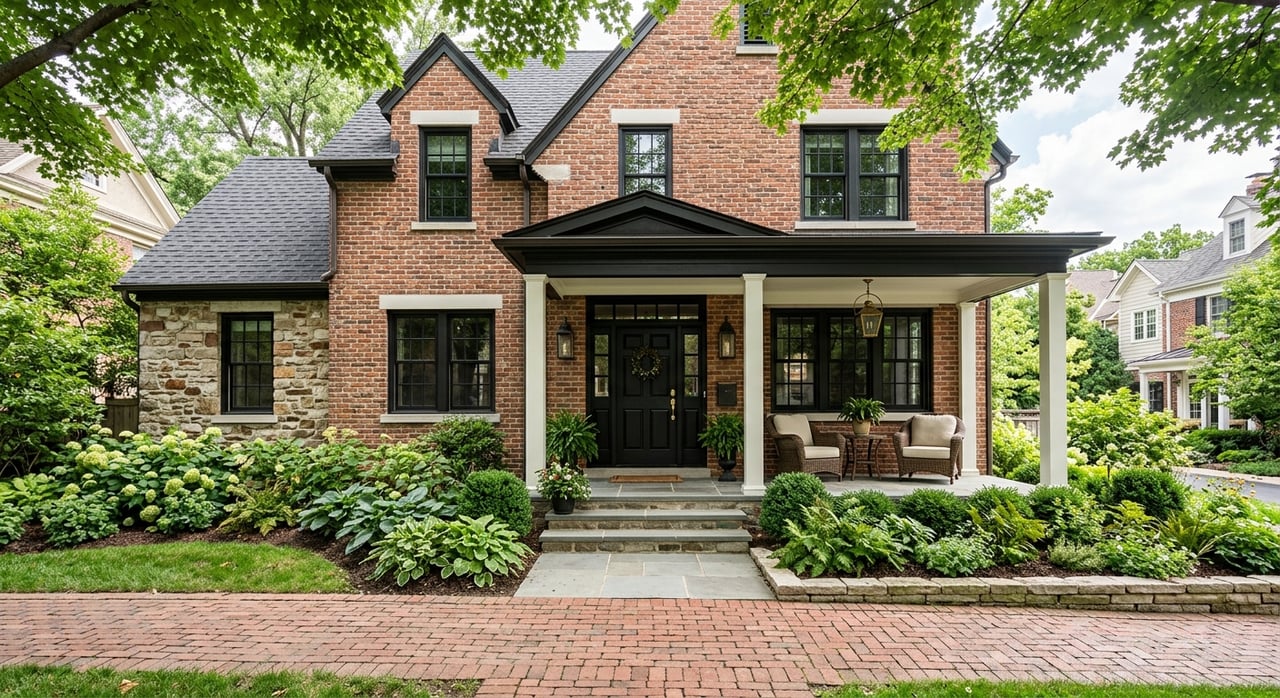
According to the 2021 Village Core Survey, the early village includes a broad mix of historic residential styles. Bungalows and American Small Houses are especially common, along with Carpenter or Builder vernacular homes and examples of Queen Anne, Italianate, Greek Revival, Craftsman, American Four Square, and Colonial Revival architecture.
That means Village living is not limited to one home type or one price point. Depending on the block and setting, you may see modest cottages, classic bungalows, larger historic homes, and infill opportunities that fit within the area’s established character.
For buyers who care about charm and architectural variety, this mix is often a major draw. For sellers, it also means pricing and positioning a home correctly requires local knowledge of the Village’s housing patterns and buyer expectations.
Village homes vs newer areas
It also helps to understand how Village living differs from newer areas of Zionsville. The contrast is not simply old versus new. It is really about form, layout, and daily experience.
Town planning documents describe the Village Residential district as having a walkable block pattern with a mix of single-family detached homes, townhomes, and duplexes. Redevelopment in the area is expected to respect the form and massing of surrounding properties, which helps preserve the historic feel.
In newer or transitional parts of town, planning language points to townhomes, duplexes, compact single-family dwellings, and other mixed residential forms, especially off South Main or Zionsville Road and 106th Street. These areas may offer different layouts, newer construction, and more flexible housing types.
If you are deciding between the Village and a newer neighborhood, the question is often about lifestyle first. Do you want brick streets, a historic core, and close access to events and storefronts? Or do you prefer a newer development pattern with different home styles and lot arrangements?
A market with strong demand
For anyone considering a move, it is worth looking at the broader housing context. Census QuickFacts estimates Zionsville’s 2025 population at 33,624 and reports an owner-occupied housing rate of 84.2%.
The same source reports a median owner-occupied home value of $587,800 and a median household income of $172,024. Those numbers suggest a market with a strong owner-occupied base and comparatively high home values.
For buyers, that means preparation matters. For sellers, it reinforces the importance of thoughtful pricing, presentation, and marketing, especially in a location as distinctive as the Village where homes can vary widely in age, style, and setting.
Why the Village keeps evolving
A common misconception is that historic districts stay frozen in time. In Zionsville, the Village is being preserved, but it is also being improved.
Current town plans focus on preservation alongside circulation and access upgrades in the core. Main Street Momentum and façade rehabilitation support both point to an approach that protects the Village’s character while making it work better for current residents, visitors, and businesses.
That is important if you are thinking long term. The Village is not treated as a static backdrop. It is an active part of how Zionsville plans for the future.
Is Village living right for you
If you want a home base with local character, walkable amenities, trail access, and a strong event calendar, living near the Village may be a great fit. It offers a distinct daily experience that feels different from a more typical suburban pattern.
At the same time, your best fit depends on your priorities. Some buyers want historic architecture and a pedestrian-oriented setting, while others prefer newer construction, different floor plans, or a location with its own style of convenience.
That is where local guidance matters. If you are buying, selling, relocating, or comparing Zionsville options, working with someone who understands both the Village and the broader central Indiana market can help you make a confident decision. If you are thinking about your next move in Zionsville, [Ann Williams] can help you evaluate neighborhoods, timing, pricing, and strategy with clear, steady guidance.
FAQs
Is the Village in Zionsville walkable?
- Yes. Town plans and wayfinding efforts are designed to connect the Village Business District with parks, trailheads, shopping areas, and community attractions while improving pedestrian safety and access.
What types of homes are in Zionsville’s Village area?
- The Village core includes a wide mix of historic home styles, including bungalows, American Small Houses, Carpenter or Builder vernacular homes, and examples of Queen Anne, Italianate, Greek Revival, Craftsman, American Four Square, and Colonial Revival architecture.
How is the Village different from newer Zionsville neighborhoods?
- The Village is the historic, pedestrian-oriented core with brick streets, storefronts, and event-centered public spaces, while newer areas are planned with a broader mix of housing forms and development patterns.
Are there trails and parks near the Zionsville Village?
- Yes. The Village connects to the Big-4 Rail Trail and more than 20 miles of interconnected paved pathways, plus nearby parks such as Lincoln Park, Elm Street Green, Heritage Trail Park, Village Corner, and Lions Park.
Is Zionsville still changing around the Village?
- Yes. Current town plans emphasize preservation along with circulation, safety, access, and façade improvements, showing that the Village is being actively maintained and updated over time.