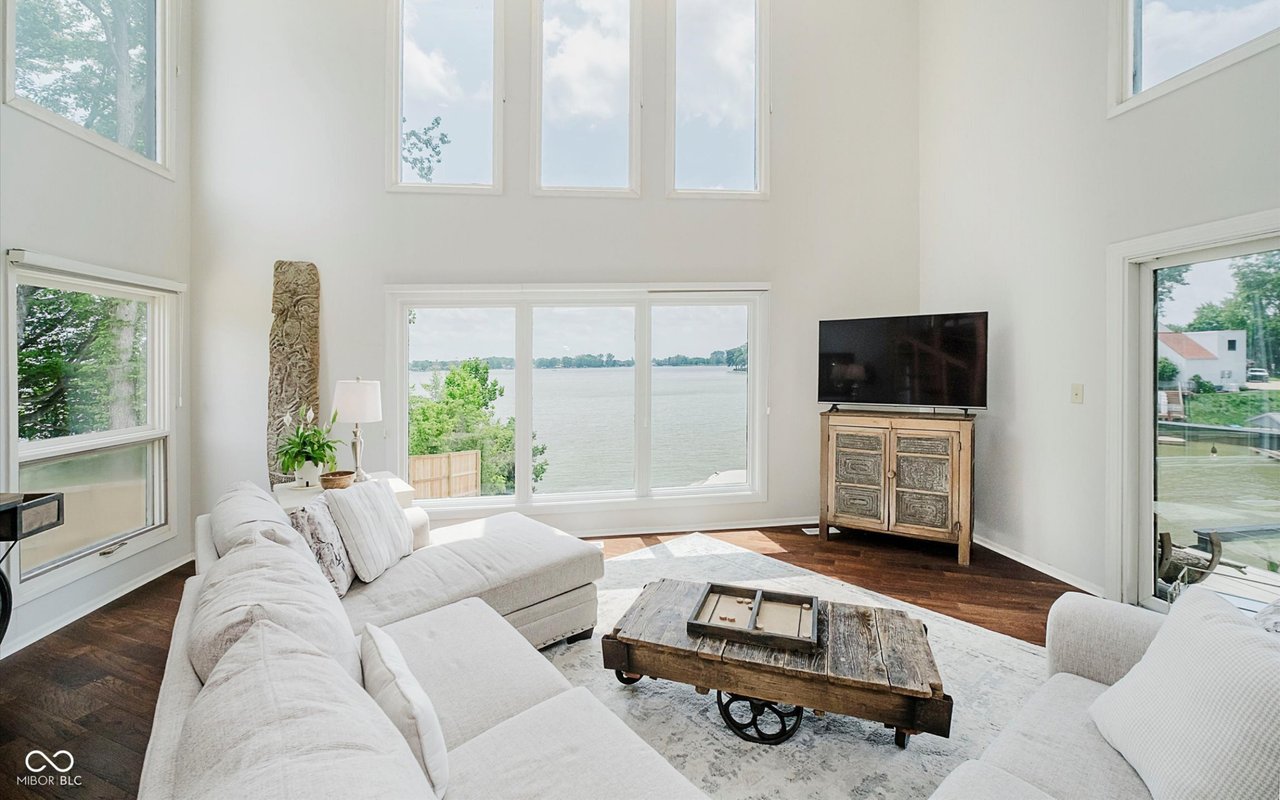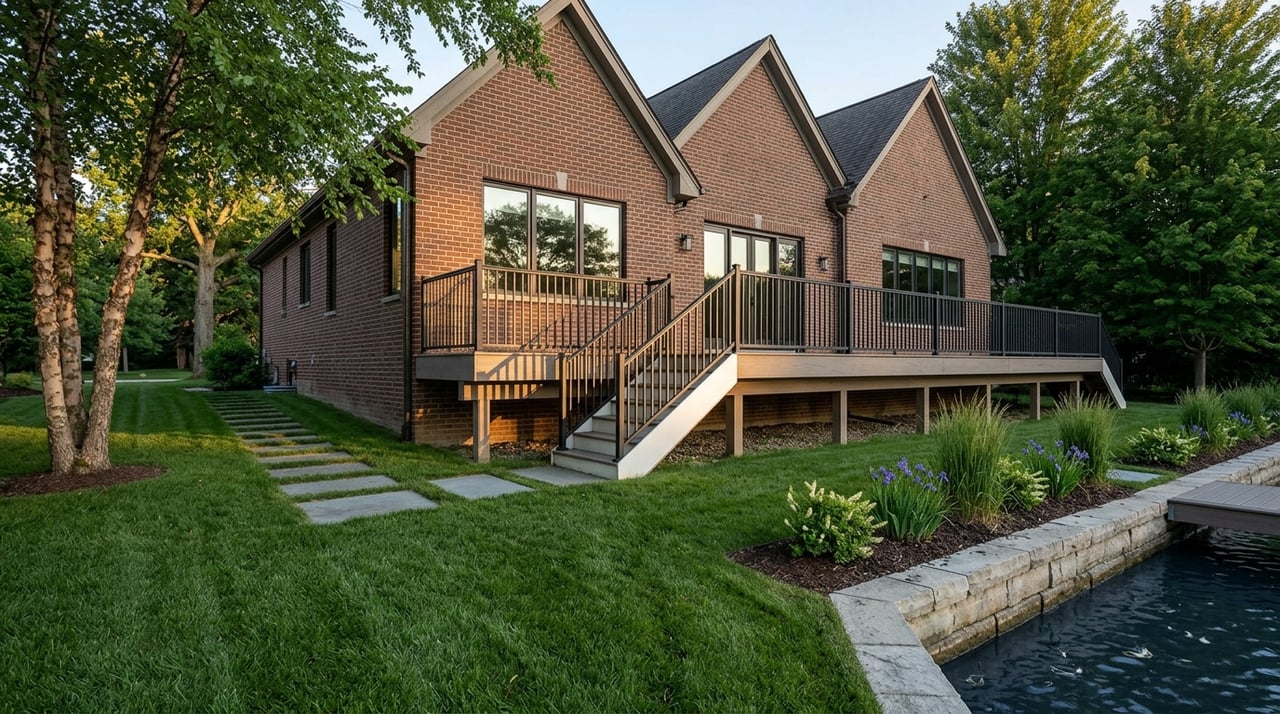
Dreaming about life by the water in Geist? You are not alone. The idea sounds simple, but Geist is not a typical lake market, and that difference can shape everything from the home you choose to what you can build near the shoreline. In this guide, you will learn what living on or near the water in Geist really looks like, what to verify before you buy, and how to think about the trade-offs with confidence. Let’s dive in.
What makes Geist different
Geist is a reservoir community, not a natural-lake market. Official local sources describe it as roughly 1,800 to 1,900 acres, and it plays an important role in Central Indiana’s drinking water system.
That utility role matters for homeowners. In Geist, the water is both a lifestyle feature and a managed public resource, which means shoreline use is shaped by Citizens Energy Group rules in addition to neighborhood expectations.
What lake living means here
When people talk about “lake living” in Geist, they may mean different things. Some homes sit directly on the reservoir, while others offer water views, nearby access, or close proximity to restaurants, trails, and seasonal recreation.
The area has a strong summer identity. Local sources describe Geist as a popular warm-weather destination for boating, dining, water sports, scenic views, and waterfront living, so your experience here may feel especially tied to the season.
Waterfront vs near-water homes
If you are shopping in Geist, it helps to separate waterfront from near-water early in your search. A waterfront home may offer direct shoreline adjacency and dock potential, while a near-water home may deliver the Geist lifestyle without direct water frontage.
That distinction can affect price, upkeep, insurance questions, and daily use. If your goal is to launch a boat from your backyard, your checklist will look very different from someone who mainly wants views, nearby trails, and easy access to the water-focused social scene.
Shoreline ownership is unique
One of the biggest surprises for buyers is that shoreline ownership around Geist is not always as straightforward as it seems. A Geist-area property owners association page states that Citizens owns the shoreline and a 20-foot easement around it.
That means owning a home along the water does not automatically mean you can make changes freely at the water’s edge. Improvements near the shoreline may require review and approval, even when they are connected to your property.
Why the 20-foot easement matters
The 20-foot easement can affect how you plan outdoor features and waterfront access. According to the Citizens application used for Geist and Morse improvements, projects like docks, decks, patios, walkways, firepits, seawalls, boathouses, retaining walls, dredging, and shoreline alterations may require documentation and approval.
The application process is detailed. It calls for drawings placed over an aerial image that shows the easement area, which gives you a sense of how important exact placement can be.
Dock and boathouse rules to know
If direct water access is high on your wish list, ask specific questions before you fall in love with a property. The Citizens construction form notes that docks must be anchored to shore and boathouse roofs must be flat.
Those details may sound small, but they can influence how usable a property feels for your plans. A lot with water behind it is not the same thing as a lot that cleanly supports the setup you want.
Floodplain review should come early
For any home on or near Geist, floodplain review should be part of your early due diligence. The City of Fishers notes that properties on or near Geist Reservoir might be in a floodplain and recommends using official flood-zone tools and the Indiana floodplain portal for lot elevation information.
Fishers also states that if a structure is in a designated floodplain and has a federally backed mortgage, flood insurance is required. That can affect both monthly costs and long-term ownership planning.
What to verify before you buy
Before moving forward on a waterfront or near-water purchase, it is smart to verify a few basics:
- Floodplain status
- Insurance implications
- Dock feasibility
- Easement restrictions
- HOA or POA rules
- Approval needs for shoreline improvements
If a property may need a floodplain Letter of Map Change, Fishers recommends hiring a professional land surveyor or engineer. For insurance questions, the city directs owners to speak with an insurance agent.
Public water access is limited
Another key part of the Geist story is public access. According to Fishers, Geist Waterfront Park is the only public parcel on the reservoir.
That limited public access helps explain why private ownership, marina services, and neighborhood-specific setup matter so much here. It also means that not every buyer needs a private dock to enjoy the water, but you should be realistic about what “access” looks like from one property to the next.
Geist Waterfront Park adds flexibility
Geist Waterfront Park gives residents and visitors a public way to enjoy the reservoir. The 70-acre park includes beach access, a non-motorized boat launch, dock access for kayaks, canoes, and paddle boards, walking trails, a playground, and rentable shelters.
The park is open year-round for trails and playground use. For 2026, the beach and swim season runs from May 23 through Labor Day, September 7.
What visitors should know
During 2026 peak hours, Fishers residents enter free, while non-residents pay $25 per vehicle. Fishers also notes that off-peak access is free for non-residents and that the park is cashless.
The park is more than a swim spot. Local information says weekly water testing is performed during beach season, and aerators and underwater springs help maintain the cove.
Boating is a managed lifestyle here
Boating is a big part of Geist culture, but it is not a casual free-for-all. The area includes private service infrastructure that supports slips, launching, rentals, fuel, repairs, and storage, which tells you a lot about how reservoir living works day to day.
Geist Marina describes itself as a full-service marina with slips, launching, pontoon rentals, sales, repairs, winter storage, gasoline, and accessories. For many buyers, that can be a major advantage, especially if you want the boating lifestyle without trying to handle every detail at home.
Launch fees and parking
Launching a boat at the marina comes with planning. Geist Marina lists in-season public ramp fees of $20 on weekdays and $40 on weekends and holidays.
The marina also warns that weekend parking can fill quickly and that there is no overflow parking. If boating is central to your lifestyle, this is the kind of practical detail worth understanding upfront.
Safety rules still apply
Indiana boating laws apply on Geist just as they do elsewhere in the state. Indiana requires one U.S. Coast Guard-approved wearable life jacket on board for each person, and the Indiana DNR Division of Law Enforcement oversees boating laws and advisories.
For buyers, that is another reminder that life on Geist blends recreation with structure and oversight. It is fun, but it is also regulated.
Seasonal rhythms affect ownership
Geist shines in summer, but the off-season matters too. Beach swimming at Geist Waterfront Park ends outside the seasonal swim window, and Geist Marina closes its launch ramp for winter while offering winter storage and spring-start services.
That means the true cost of enjoying the water may include more than your mortgage. Depending on your setup, you may also need to plan for storage, winterization, maintenance, and seasonal timing.
Boat storage and off-season planning
Geist Marina notes that winterization and shrink-wrap are common parts of storing a boat for the offseason. It also says inside storage fills early, while outside storage is designed to protect boats from the elements.
This matters if you are comparing a direct-water property with a near-water home. Sometimes a near-water home plus marina services fits your lifestyle better than a waterfront property with more shoreline complexity.
Water levels and shallow areas can vary
A reservoir is dynamic, not static. Citizens posts current reservoir levels, and a 2025 DNR report on a Geist conservancy district noted that sedimentation had reduced boat access in shallow areas, especially near the northeast inlet.
In plain terms, one cove can function differently from another. If boating access matters to you, pay attention to the specific location of the property rather than assuming all waterfront lots offer the same experience.
A smart Geist buyer checklist
If you are thinking about living on or near the water in Geist, a practical checklist can help you avoid surprises. Focus on how you actually plan to use the property, not just how the listing photos make it feel.
Here are a few of the biggest questions to answer:
- Do you want true waterfront, or would near-water living meet your needs?
- Does the property support the kind of dock or shoreline access you want?
- Are there Citizens easement or permit issues to review?
- Is the home in or near a floodplain?
- What could flood insurance mean for your monthly costs?
- What HOA or POA rules apply?
- Do you need boat storage or marina services?
- Will your household use the lake mostly in summer, or year-round for views and setting?
The right answer is different for every buyer. Some people want direct dock access at home, while others are happier with a lower-maintenance property that still keeps them close to the Geist lifestyle.
Why local guidance matters in Geist
Geist can be a fantastic fit, but it rewards careful planning. The mix of reservoir rules, shoreline easements, seasonal use, floodplain questions, and boating logistics makes this a market where local knowledge can save you time and stress.
If you are comparing waterfront and near-water options in Geist, it helps to work with someone who can keep the process organized and help you weigh lifestyle goals against property realities. If you are ready to explore your options, connect with Ann Williams for practical, local guidance.
FAQs
What is the difference between waterfront and near-water homes in Geist?
- Waterfront homes sit directly along the reservoir, while near-water homes are close to the water or water-oriented amenities but may not include direct shoreline access.
What should buyers know about shoreline rules in Geist?
- A Geist-area property owners association states that Citizens owns the shoreline and a 20-foot easement, and many improvements near the water may require a Citizens application and approval.
What should buyers check about floodplains near Geist Reservoir?
- The City of Fishers says properties on or near Geist may be in a floodplain, so buyers should review official flood-zone information, lot elevation details, and possible flood insurance requirements.
What public access is available at Geist Reservoir?
- Fishers says Geist Waterfront Park is the only public parcel on the reservoir, with beach access, a non-motorized launch, dock access for paddle craft, trails, a playground, and shelters.
What boating costs should buyers expect in Geist?
- Buyers should plan for possible launch fees, storage, winterization, shrink-wrap, repairs, and seasonal services, especially if they use Geist Marina rather than keeping a boat at home.
What makes Geist different from a typical lake community?
- Geist is a reservoir that supports Central Indiana’s drinking water system, so living on the water involves both recreation and utility-related rules that can affect shoreline use and property decisions.